
- Lisa Markley
Whole-person integrative medicine focused on healing you in mind, body and spirit. It's more than fixing what’s wrong. It’s about celebrating what’s right and making sure you’re on the path to a healthier, stronger you.
The start of a new year often inspires fresh motivation around health — and sometimes, a wave of pressure to do it all right. Between new diets, wellness trends and the pull to “start strong,” it can feel like healthy eating has to be complicated or perfect. But real, lasting health rarely comes from rigid rules.
One of the most effective, and gentlest, ways to care for your whole health this year is by keeping food simple: enjoying consistent, nourishing meals made with care and intention.
At the Whole Health Institute, we view food as more than fuel. Food supports physical health, emotional wellbeing, and our sense of connection. That’s why we encourage starting small, with doable habits and meals that bring both comfort and nourishment. When health feels approachable, it becomes part of everyday life, not another item on a checklist.
Small, Nourishing Choices Add Up
Building consistency with nourishing meals, even simple ones, helps support energy, digestion, blood sugar balance, and overall wellbeing. When eating feels manageable, it’s easier to stay in tune with your body, especially when life feels busy or unpredictable.
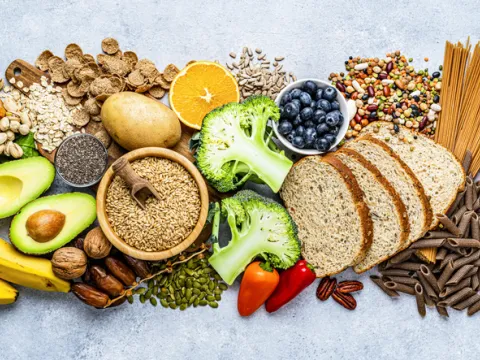
Wholesome meals don’t have to be complicated. Low-effort meals made from whole, minimally processed ingredients can still be deeply nourishing. Think beans or lentils drizzled with lemon juice, olive oil and herbs, yogurt topped with fruit and nuts, eggs with sautéed vegetables, a simple grain bowl with roasted or frozen vegetables and protein, soup made from pantry staples, or toast with nut butter and fruit. These kinds of meals support satisfaction and steady energy, without requiring hours in the kitchen or “perfect” eating habits.
A Nourishing Plate for the New Year
If your goal is to “eat healthier” this year, a simple framework can help take the pressure off. Instead of focusing on restriction, aim to build meals that include:
- Protein, which supports fullness, muscle and immune health
- Fiber-rich plants, such as vegetables, fruits, whole grains, and legumes, to support gut and heart health
- Healthy fats, like olive oil, avocado, nuts, seeds, and fatty fish, to support brain health and reduce inflammation
- Flavor, using herbs, spices, citrus, garlic, and cultural flavor profiles to make meals enjoyable and satisfying
When most meals include these elements, balance naturally falls into place.
Eating at Home More Supports New Year Intentions
Eating at home more often, especially when meals are shared with family, supports physical health, connection, routine, and emotional wellbeing. With a bit of planning, home-prepared meals can save time and money, reduce daily stress, and make nourishing food more convenient during busy weeks.
Cooking at home offers greater flexibility and control over ingredients like salt, added sugars, and portion sizes. Restaurants often rely on larger portions and higher amounts of salt and sugar to enhance flavor, which can make it harder to eat in a way that aligns with how you want to feel. At home, it’s easier to tune in to hunger cues, serve comfortable portions, and build meals that support steady energy and satisfaction.
For many people, another meaningful New Year intention is protecting time and mental energy. Cooking once and eating a few times supports all three. Preparing simple foods such as homemade soups, roasted vegetables, cooked whole grains, batch-cooked proteins, or a basic dressing or sauce creates flexible building blocks for meals throughout the week. These components often taste even better the next day and reduce reliance on takeout, helping healthy habits last well beyond January.
A Whole Health Way to Begin the Year
New Year goals don’t need to be extreme to be effective. When we focus on consistency and balance rather than rules, and on intentional nourishment rather than restriction, we build habits that can sustain us all year long. Sometimes the most meaningful goal for the new year is simply this: to show up for yourself, one nourishing meal at a time!
At the Whole Health Institute, we offer compassionate, individualized nutrition support rooted in balance, flexibility, and real life. Our team meets you where you are and helps you move forward with clarity and confidence and without pressure or perfection.
If you’re ready to start the new year feeling supported, nourished, and empowered, we invite you to call and schedule an appointment with one of our many providers. Let this be the year you invest in care that supports your whole health, one thoughtful choice at a time.
Request an appointment online today.
About the Author
Lisa Markley, MS, RDN, LD, is an integrative dietitian culinary nutrition expert with nearly two decades of experience working towards improving the health of others. She is passionate about educating others how to harness the healing power of food and healthful lifestyle changes.
Recent Blogs
Natural Immune Support: What Actually Works
Boost immunity naturally with sleep, stress control, gut health, nutrient-rich foods, hydration and herbs — supplements only as needed.
Acupuncture for Immunity: Beat Cold and Flu Season Naturally
Acupuncture and Chinese Medicine boost immunity, reduce inflammation, and support gut health for cold and flu prevention and faster recovery.
The Seasonal Mood Shift: Why Fall and Winter can Feel Heavy
Seasonal changes can impact mood and energy—light, nutrition and routine help manage symptoms and boost winter well-being.
Treating Neck Pain Without an Adjustment: A Holistic Chiropractic Approach
Learn how holistic, chiropractic care can relieve neck pain without adjustments using gentle techniques like cupping, ultrasound and lifestyle changes.
Fiber: Overhyped or Superfood?
Fiber is a true superfood—boosting digestion, heart health & more—yet most adults don’t get enough. Aim for 25–35g daily from whole foods.
Is Biotherapeutic Drainage the Same as a Detox?
Learn from Dr. Julia St. Clair about the differences and similarities between biotherapeutic drainage and detoxing.
Detection, Treatment, and Management of Autoimmune Conditions
Autoimmune disorders are a group of conditions that arise when the body’s immune system, which typically serves to protect against infections and diseases, mistakenly attacks its own healthy cells and...
A Beginner’s Guide to Combining Exercise with Chiropractic Care for Maximum Benefits
Learn from Dr. Amina Karim as she explains how combining exercise and chiropractic care can optimize results and contribute to a more active lifestyle.
Acupuncture for Menopause – What you need to know
Learn more about the affects of menopause and how acupuncture can help.
How Healthy is Your Gut? A Functional Medicine Approach to Gastrointestinal Health
A healthy microbiome is the key to your overall gastrointestinal, metabolic, mental and neurological health. Meaning, if your gut isn’t healthy, then you likely aren’t healthy either.
Creating an Ergonomic Workspace To Improve Performance and Quality of Life
Back pain is one of the most common health issues faced by desk workers today.
Stronger, Happier, Healthier: Building Better Health for Men
Preventative care for men includes regular check-ups with their primary care provider, screenings for high blood pressure, cholesterol and certain cancers such as prostate and colorectal, avoiding...