


Your gallbladder has more in common with your appendix than you think: It doesn’t do much, you don’t need it to live, and when it isn’t functioning well, it can cause uncomfortable symptoms.
Still, it can be difficult to know that gallbladder disease is the culprit when its symptoms are shared with so many other medical conditions. That’s why Jared R. Funston, MD, FACS, a board-certified general surgeon with AdventHealth Medical Group General Surgery at Tampa, explains what you should look for and when you may need surgery.
What Does a Gallbladder Do?
Your gallbladder is the pear-shaped organ that sits right below your liver in the upper right part of your abdomen. It’s part of your biliary system — a group of organs that helps you digest fatty foods — and its purpose is to store and release bile, the fluid your liver produces to break down fats in your small intestines.
But even though your gallbladder has a function, Dr. Funston says it can cause more trouble than it’s worth.
“The gallbladder doesn’t make bile. It just stores it. It doesn’t do anything special on its own, so it just hangs out under your liver,” he says. “At one time, we needed it to get the most nutrition out of the foods we ate. But now, the gallbladder has learned to misbehave. And it commonly does this in the American population.”
Common Signs of Gallbladder Problems
Roughly 20 percent of Americans develop signs of gallbladder disease, though it’s easy enough to dismiss them, thinking you’ve just overeaten or indulged in something too spicy.
The most common signs are:
- Bloating
- Chronic diarrhea
- Heartburn, like acid reflux or gastroesophageal reflux disease (GERD)
- Indigestion
- Severe pain in the abdomen than can wrap around to your back
For most people, symptoms appear within an hour of eating, especially if meals contain fatty foods.
Gallbladder Problems That May Require Surgery
Gallbladder symptoms that linger or return frequently should be checked by a doctor. Your provider can use blood tests and advanced imaging to examine your gallbladder and diagnose your condition.
Dr. Funston says doctors often recommend surgery for one of three conditions.
Gallstones
Gallstones are hard deposits of bile that collect in your gallbladder. There are two types:
- Cholesterol: These yellow-colored stones are the most common gallstones. They’re made up mostly of cholesterol. But they don’t mean you have a high cholesterol level in your blood.
- Pigmented: You may develop these dark-colored stones if your bile contains too much bilirubin, a substance produced when your red blood cells break down. Pigmented stones are more common in people who have a bleeding disorder.
Gallstones don’t always cause symptoms, Dr. Funston says. But if yours do — or if your gallstones are bigger than 3 cm — your doctor may recommend gallbladder removal surgery.
Most gallstones don’t need urgent attention, though, so you can plan a convenient time to have surgery. But if you leave gallstones untreated, they can cause these complications that require an emergency operation:
- Choledocholithiasis: Your gallstone can move and get stuck in your bile duct. Bile backs up into your liver, causing pain and possible septic shock.
- Gallstone ileus: This rare condition happens when a gallstone escapes through a small opening in your gallbladder and blocks your intestines.
- Gallstone pancreatitis: A gallstone stuck in your bile duct can also cause enzymes from your pancreas to back up, causing inflammation.
Infection
You may need urgent gallbladder removal surgery if you have signs of an infection. Symptoms include chills, fever, inability to eat, pain lasting more than six hours and vomiting.
Polyps
Most gallbladder polyps don’t cause symptoms. Your doctor usually discovers them while conducting an abdominal imaging scan for a different condition, such as kidney disease. They may recommend surgery to remove any polyps bigger than 1 cm.
Options for Gallbladder Removal Surgery
If you need gallbladder removal surgery, Dr. Funston says your surgeon may recommend one of three procedures:
- Laparoscopic cholecystectomy: This minimally invasive surgery is the most common gallbladder procedure. After making three or four small incisions in your abdomen, a surgeon uses small tools and a camera to remove your gallbladder.
- Open cholecystectomy: For this traditional procedure, a surgeon makes a large incision in your abdomen to remove your gallbladder. We may recommend this procedure when laparoscopic surgery isn’t possible.
- Robotic cholecystectomy: This procedure is similar to laparoscopic surgery but requires fewer incisions.
Paying Attention to Your Gallbladder
Even though your gallbladder isn’t a vital organ, keeping a close eye on any symptoms of gallbladder disease can protect your overall health. The team of general surgeons and gallbladder surgeons at AdventHealth Tampa can perform the most advanced procedures to relieve your discomfort.
Take charge of your health and schedule an appointment to discuss your gallbladder symptoms.
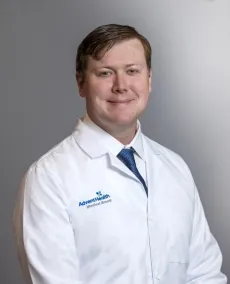
About Dr. Funston
Jared Funston, MD, is a board-certified general surgeon. Dr. Funston believes that medicine is not one-size-fits-all, and that the unique background and perspective of every patient must be incorporated into treatment planning for the best-possible outcomes.
12 items. To interact with these items, press Control-Option-Shift-Right Arrow. These items are in a slider. To advance slider forward, press Shift-Command-Right Arrow. To advance slider backward, press Shift-Command-Left Arrow.









Blog
Bedwetting in Children: When to Worry and How to Help
Bedwetting isn’t a failure — it’s a phase. Learn how AdventHealth Tampa helps kids gain confidence and stay dry.
Blog
Circumcision: What To Know Before Making a Decision
Learn about newborn circumcision, including benefits, risks and when a circumcision revision may be needed, so you can make the best choice for your baby.
Blog
Have a Hernia? When to Have Surgery
Hernias can be painful. They aren’t emergencies, but ignoring symptoms in the long term can be dangerous. Get expert advice about when it’s time to have surgery.
Blog
Phimosis: What It Is and What Parents Should Know
Learn what phimosis is, what causes it and when to see a pediatric urologist at AdventHealth Tampa for your child’s care.
Blog
Understanding Undescended Testicles
Learn what causes undescended testicles, how they’re treated and when to see a pediatric urologist at AdventHealth Tampa.
Blog
When Kids Get UTIs: What Parents Should Know
UTIs in kids are common — but treatable. Learn the signs, causes and when it’s time to see a specialist.
Blog
ECMO & CVOR: Specialized Training for Specific Needs
ECMO and cardiovascular OR teams work together to help patients with serious heart and lung conditions. Learn more about these teams at AdventHealth Tampa.
Blog
LDCT: One Minute to Catch Cancer
Low-dose CT scans can identify lung cancer early when it’s most treatable. Learn about this quick, effective screening option with AdventHealth Tampa.
Blog
Pulsed Field Ablation: A Breakthrough Option for AFib Treatment
Experienced heart specialists at AdventHealth Tampa offer pulsed field ablation (PFA) for AFib, a safer, faster treatment option than traditional ablation methods.
Blog
Building Awareness to Stop the Spread of Breast Cancer
Learn more about breast cancer, including why preventive care is so important, treatment options and how we can partner with you on your journey to wholeness.
Blog
3D Imaging Improves Patient Outcomes for Breast Cancer Care
AdventHealth Tampa leads the fight against breast cancer with new Clarix Imaging technology, helping surgeons improve outcomes and reduce repeat surgeries.
Blog
Test Your Knowledge of Essential Health Screenings for Men
Learn what health screenings are important for men to prioritize and why it’s essential to have a trusted primary care provider.