- AdventHealth Research Institute
Researchers at the AdventHealth Translational Research Institute continue to drive meaningful progress in Type 1 diabetes—work that is being recognized not just in Central Florida, but throughout the national and global research community. This year, our teams have contributed to clinical trials, translational studies, and real-world investigations that are deepening our understanding of T1D and its complications. Our efforts are helping refine treatments, improve patient outcomes, and guide the next generation of therapies and clinical care.
Below is a look at several recent publications from TRI investigators—each one expanding what we know and bringing us closer to better, safer, and more personalized care for people living with Type 1 diabetes.
FINE-ONE: New Hope for CKD & T1D
One of the most significant studies this year is FINE-ONE, a landmark study exploring a potential new therapy for adults with T1D and chronic kidney disease—an area where treatment options remain limited. In this Q&A with Tina Thethi, MD, MPH, we unpack what the findings mean for patients, why this study matters, and how it aligns with TRI’s mission to advance meaningful, real-world care.
👉 Read the Q&A: https://www.adventhealth.com/foundation/adventhealth-foundation-central-florida/blog/fine-one-new-hope-ckd-and-type-1-diabetes
Continuous Glucose Monitoring (CGM) & Hypoglycemia Awareness in Older Adults
A fresh look at data from the WISDM Study asked an important question: Can CGM help older adults “feel” their low blood sugars again? Many people with long-standing T1D lose the early warning signs of hypoglycemia, increasing the risk of dangerous lows. This post-hoc analysis found encouraging signs that regular CGM use may help restore some of those warning symptoms, while also reducing severe hypoglycemia events. It’s an early but meaningful insight into how technology can support safety, confidence, and independence in older adults.
🔗 https://pubmed.ncbi.nlm.nih.gov/40902121/
How Different Diets Impact T1D
A new meta-analysis tackles a question many people living with T1D ask: Which eating patterns truly help with weight management and stable blood sugar? By reviewing multiple clinical trials, researchers identified several evidence-based dietary approaches—not one “perfect diet,” but a set of sustainable patterns shown to improve daily glucose control and long-term health. This study helps cut through mixed messages and gives people clearer, research-backed guidance on how to eat well with Type 1 diabetes
🔗 https://pubmed.ncbi.nlm.nih.gov/40795275/
Making Automated Insulin Delivery Smarter & Safer
As automated insulin delivery (AID) systems become more common, understanding their strengths—and their limitations—has never been more important. This expert consensus paper outlines where AID technology excels today and where critical research gaps remain, from algorithm improvement to personalization and long-term safety. The roadmap it provides highlights opportunities that could make future systems more responsive, reliable, and tailored to the unique needs of each individual with T1D.
🔗 https://pubmed.ncbi.nlm.nih.gov/40590746/
Boosting the Body’s Low-Blood-Sugar Defense
Another recent study explored a promising idea: Could a GPR119 agonist strengthen the glucagon response during hypoglycemia? Because many people with T1D lose their natural defenses against severe lows, improving this response could be a major step forward. This randomized, double-masked crossover trial offers early evidence that activating the GPR119 pathway may help restore that protective mechanism, opening the door to potential new therapies aimed at reducing severe hypoglycemia risk.
🔗 https://pubmed.ncbi.nlm.nih.gov/40173094/
Recent News
Clinical Trial Evidence on Diet and Type 1 Diabetes Outcomes
A new systematic review of clinical trials has found that no single dietary pattern consistently improves blood sugar control or weight management in youth and adults living with type 1 diabetes.
How Diet Shapes Gut Microbes and Energy Absorption
What we eat has a big impact on the bacteria living in our gut, which in turn affects how our bodies use energy—something that plays a major role in the development and treatment of obesity.
AdventHealth Neuroscience Institute Launches NIH-Funded THRIVE Trial
AdventHealth Neuroscience Institute has launched THRIVE, an NIH-funded clinical trial led by Lauren Oberlin, PhD, geriatric neuropsychologist and neuroscience researcher.
AdventHealth Tampa Enrolls First Patient in the Tectonic CAD IVL Trial
On September 19, 2025, AdventHealth Tampa successfully enrolled its first patient in the Tectonic CAD Intravascular Lithotripsy (IVL) Trial, led by Dr. Mahmaljy and his team.
MANIFEST US Study Presented as a Late-Breaking Clinical Trial at AHA
The cardiovascular team is excited to highlight the MANIFEST US study, which was presented on November 10th as a Late-Breaking Clinical Trial at the American Heart Association (AHA) Scientific...
Nourishing Your Gut: Dr. Karen Corbin on the Power of Fiber
Dr. Karen Corbin, associate investigator at the AdventHealth Translational Research Institute for Metabolism and Diabetes in Orlando, emphasizes the essential role of diet in maintaining a healthy gut...
Southeast Region – Redmond Campus: AdventHealth Recognized as Top Enroller Nationally for the CARVTOP-ICD Trial
AdventHealth Research Institute (AHRI) is proud to announce that the Southeast Region’s Redmond Campus has been recognized as the top enrolling site nationally for the CARVTOP-ICD trial.
Stiff Arteries Linked to Early Memory Decline: New Findings by Dr. Amani Norling
Amani Norling, PhD a post-doctoral fellow at the AdventHealth Neuroscience institute, has published a notable paper titled “Arterial stiffness moderates the link between NfL and cognition: The IGNITE...
First BrioVAD Implant Successfully Completed
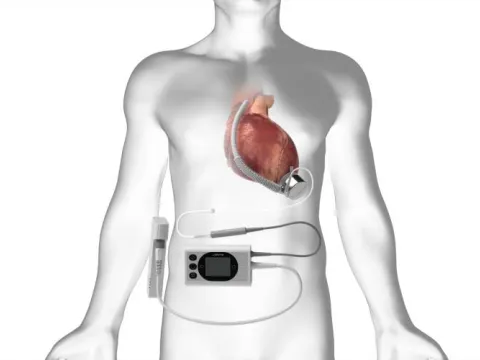
On September 24, the Transplant team successfully implanted the first BrioVAD device at AdventHealth, a major milestone in the ongoing INNOVATE 2254936 Vidic trial.
The T1D Daily Reset: Small Habits With Big Impact
As we head into 2026, many people living with Type 1 diabetes are looking for ways to reset their routines and start the year feeling more balanced and in control.
The Next Frontier: Preventing Type 1 Diabetes Before It Starts
Recent research led by AdventHealth’s Translational Research Institute and others reveals that Type 1 diabetes develops gradually and can now be detected early through blood tests, opening the door to...
Advancing Heart Care: A New Chapter with the BrioVAD Study
The AdventHealth Research team recently completed Core Training for the INNOVATE 2254936 Vidic trial, bringing this novel device to AdventHealth.